Biodegradable cups are not a new term. As we all know, the world is slowly filling up with rubbish made from different materials such as metal and plastic. These materials cause serious pollution to our planet and pose a threat to human life. To protect our planet, it's wise to use
biodegradable cups, plates, or any recyclable object that can help us save the planet.
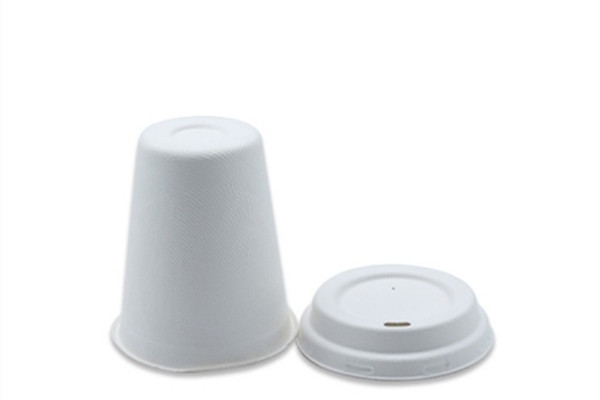 Biodegradable cups
The
biodegradable cup naturally rots and merges with the soil at the end of the mission and when thrown away as waste. Some of the most popular biodegradable materials are disposable plates, food containers and dishes. They have the ability to increase the water-holding capacity of the soil. As a result, soil erosion is relatively low. The product also improves the permeability and permeability of heavier soils. Landfills with biodegradable products can also reduce pollution from methane emissions.
One of the best uses for biodegradable products is to solve the global landfill waste problem. The amount of waste in landfills has been increasing in recent years. Most of these wastes are harmful to the environment and cause pollution. The use of biodegradable materials helps to divert such waste. Biodegradable waste diverted from landfills has quadrupled over the years, but only accounts for 9% of total waste, so 91% still goes to landfills. While waste like leaves, yard waste, and grass can help form compost without adversely affecting the environment, using products can greatly help the cause.
Biodegradable materials
Plants, leaves, grass and trees are just a few of the raw materials that can be used to make biodegradable cups. Fungi and other microorganisms break down easily, making them environmentally friendly. Like regular paper cups, biodegradable cups can be used to hold hot or cold drinks. Another advantage is that biodegradable cups can be microwaved. Biodegradable materials such as leaves, grass, palm trees, etc. can be used to make thatch roofs, bags, clothes and accessories. Because plant material is biodegradable, it is not added to landfills, greatly reducing the burden on the planet.Manufacturing companies now face the challenge of coming up with other biodegradable products, such as spoons and forks and other household products, without reducing their original functionality. As the competition is fierce, they continue to study how to better improve the product to meet the needs of customers.
Science and technology are being used to make more biodegradable substances and less harmful products. Food packaging in plastic boxes can be replaced with biodegradable paper packaging. Also sensibly, biodegradable lawn bags are good for compost, which produces methane, which can in turn be recycled to generate electricity. An estimated 20 percent of landfills are filled with bagged yard waste. Use biodegradable objects to protect the environment. There are many things you can do in your daily life to ensure that the environment is not affected by non-biodegradable waste. Use paper cups instead of plastic ones because they don't add to landfills and can be recycled multiple times.
Biodegradable products help keep the earth clean and reduce air and water pollution. Hyde provides environmentally friendly products to enterprises specializing in the production of certified compostable products that can replace products that harm the environment. You can find a range of compostable,
biodegradable cups on our website.
Laura Parsons
Product tester
Explore the skills and knowledge of the paper products industry for you
Click to contact me

 Paper Package
 Paper Package
 Biodegradable Tableware


 4571
4571 9
9





 (Saudi Arabia) Submit Demand 45 Minutes Ago
 (Australia) Submit Demand 25 Minutes Ago
 (United Kingdom) Submit Demand 36 Minutes Ago
 (Sweden) Submit Demand 15 Minutes Ago